
What Makes a Great New York Paraprofessional: According to Teachers
Paraprofessionals work alongside teachers every day, supporting students in ways that are essential but often understated. When teachers talk about what truly makes a New York paraprofessional stand out, they rarely focus on job titles or checklists of tasks. Instead, they point to qualities that make the classroom run more smoothly, students feel more supported, and collaboration feel natural. From the teacher’s perspective, a great paraprofessional is not just someone who provides extra help, they are a trusted partner in the learning process. In this blog, we’re going to breakdown what makes a great New York paraprofessional according to teachers.
What Makes a Great New York Paraprofessional
Reliability
Ask almost any teacher what they value most in a New York paraprofessional, and reliability will be at the top of the skill list. Showing up consistently, on time, and prepared creates a foundation of trust that everything else is built on. Students, especially those who rely on routine, feel safer when the same adults are present each day. Teachers also depend on this consistency when planning lessons and managing classroom flow. A reliable paraprofessional allows the teacher to focus on instruction, knowing that support will be there when it’s needed. Reliability isn’t just physical presence, it’s emotional presence, too. Teachers notice paraprofessionals who stay engaged, attentive, and responsive throughout the day.
Knowing When to Step In, and When to Step Back
Great paraprofessionals have a strong sense of timing. Teachers value those who can read the room and understand when to offer help and when to give space. Stepping in might mean quietly redirecting a student, re-explaining instructions, or offering reassurance during a difficult moment. Stepping back might mean allowing a student to struggle productively or letting the teacher lead without interruption. This balance takes awareness and restraint. Teachers appreciate New York paraprofessionals who support instruction without overshadowing it, and who enhance learning without disrupting classroom dynamics.
Strong Relationships With Students
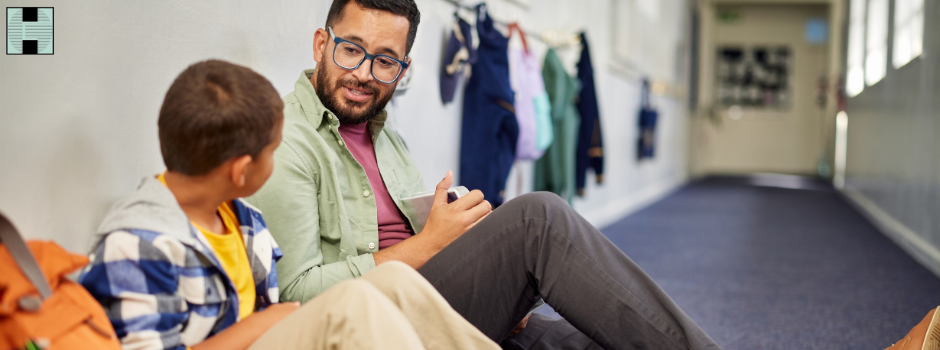
Teachers consistently highlight relationship building as one of the most important qualities in a paraprofessional. Students often feel comfortable with paraprofessionals because of their consistent presence and approachable demeanor. Great paraprofessionals take time to learn what motivates students, what triggers frustration, and what helps them feel confident. They listen without judgment and respond with patience. These relationships make it easier to redirect behavior, encourage participation, and support emotional regulation. When students feel understood by a paraprofessional, the entire classroom benefits.
Clear and Respectful Communication
Teachers value paraprofessionals who communicate clearly and professionally. This includes sharing observations about students, asking questions when unsure, and offering insights without criticism. Effective communication helps teachers adjust instruction and better support individual students. It also strengthens collaboration and prevents misunderstandings. Teachers appreciate paraprofessionals who speak up thoughtfully and contribute to problem-solving as part of the team.
Calm Presence During Challenging Moments
Classrooms are not always calm places. Students have big emotions, unexpected situations arise, and plans change quickly. Teachers notice paraprofessionals who remain calm under pressure. A steady tone, patient body language, and thoughtful responses help de-escalate situations before they grow. Teachers rely on paraprofessionals to help stabilize the classroom during challenging moments, allowing learning to continue. This calm presence often sets the emotional tone for students, who look to adults for cues on how to react.
Willingness to Learn and Adapt
Teachers value New York paraprofessionals who are open to learning. Whether it’s adapting to new teaching strategies, adjusting to different student needs, or receiving feedback, a willingness to grow makes a big difference. Great paraprofessionals don’t assume they know everything, they ask questions, reflect on experiences, and adapt as needed. This mindset shows professionalism and a genuine commitment to students.
Final Thoughts
From a teacher’s point of view, what makes a great paraprofessional is someone who shows up consistently, builds meaningful relationships, communicates thoughtfully, and supports the classroom with care and awareness. These qualities may not always appear on a job description, but they shape the daily success of students and teachers alike. New York paraprofessionals who bring reliability, empathy, and adaptability into the classroom become invaluable partners in education. Their impact is felt in calmer classrooms, stronger student connections, and more effective teaching. While their work may often happen behind the scenes, teachers know just how essential they truly are.