How NY Teacher Assistants Help Create Focused Learning Environments
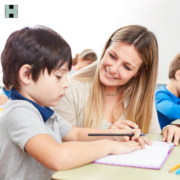
A calm and focused classroom is often seen as the result of good classroom management or strong teaching. While those elements matter, they are only part of the picture. In many New York schools, the steady presence of a teacher assistant plays a major role in shaping how calm, safe, and focused a learning environment feels throughout the day. NY teacher assistants help hold the emotional and organizational structure of the classroom together. Their work may happen quietly, but its impact is constant. From the moment students arrive to the last transition of the day, teacher assistants help regulate energy, support routines, and create a sense of stability that allows learning to happen. In this blog, we’re going to discuss how NY teacher assistants help create calm and focused learning environments.

Supporting Transitions Throughout the School Day
Transitions are often the most challenging moments in any classroom. Moving from one activity to another, lining up, settling in after lunch, or preparing for dismissal can quickly become chaotic if students feel rushed or unsure of expectations. Teacher assistants help smooth these moments by offering calm reminders, modeling appropriate behavior, and guiding students step by step. A quiet prompt, a visual cue, or a reassuring presence can prevent restlessness from turning into disruption. Over time, students learn what to expect during transitions, which reduces anxiety and increases cooperation. When transitions are handled well, instructional time is protected, and the overall pace of the day feels more manageable for both students and teachers.
Emotional Regulation Starts With Adult Support
Students bring a wide range of emotions into the classroom every day. Excitement, frustration, anxiety, and fatigue can all affect a child’s ability to focus and participate. Teacher assistants are often the first adults to notice when a student is becoming overwhelmed. This is because they work closely with students, and teacher assistants can step in early before emotions escalate. A calm voice, a moment of reassurance, or a brief break can help a student reset emotionally. These small interventions often prevent larger disruptions and help students return to learning more quickly. By modeling calm behavior themselves, teacher assistants set an emotional tone that students naturally follow. Their steady presence helps students feel safe, supported, and understood.
Reinforcing Structure Without Creating Pressure
Structure is essential for learning, but how that structure is reinforced matters. Teacher assistants help maintain classroom expectations in ways that feel supportive rather than punitive. Instead of calling attention to mistakes publicly, they offer quiet redirection. Instead of escalating behavior, they reinforce positive choices. This approach preserves student dignity and helps build trust. Students are more likely to respond positively when they feel respected rather than corrected. Over time, this consistent reinforcement creates an environment where expectations feel clear and predictable, reducing stress for students who struggle with uncertainty.
Supporting the Teacher Without Disrupting Instruction
Teacher assistants play a critical role in allowing teachers to focus on instruction. By handling small disruptions, assisting with materials, or supporting individual students, they help lessons continue without interruption. This partnership is especially important in busy or inclusive classrooms, where multiple needs must be met at once. While the teacher leads instruction, the teacher assistant ensures that no student is left behind or overlooked. The result of this is a classroom that feels organized, responsive, and focused, where learning can continue even when challenges arise.
Creating a Sense of Safety and Belonging
Calm learning environments are not just about quiet classrooms, they’re about emotional safety. Teacher assistants help students feel seen and supported, especially those who may struggle socially or emotionally. A warm greeting in the morning, a check-in during a difficult moment, or consistent encouragement throughout the day builds a sense of belonging. When students feel safe, they are more willing to participate, take academic risks, and engage with their peers. This sense of safety is foundational to learning and is often strengthened by the relationships teacher assistants build with students.
Final Thoughts
Teacher assistants play a vital role in shaping the daily experience of students. Through their consistency, patience, and emotional awareness, they help create classrooms where calm and focus are possible, even during the busiest school days. Their work supports not only individual students, but the entire classroom community. When NY teacher assistants are present and supported, classrooms become more balanced, teachers are better able to teach, and students are more prepared to learn. A calm learning environment is built one moment at a time and in many of those moments, a teacher assistant is quietly making all the difference.